


A lecture on the characteristics of Helicobacter pylori infection was held at the Institute's Infectious Diseases Clinic
 |
20 01.2025
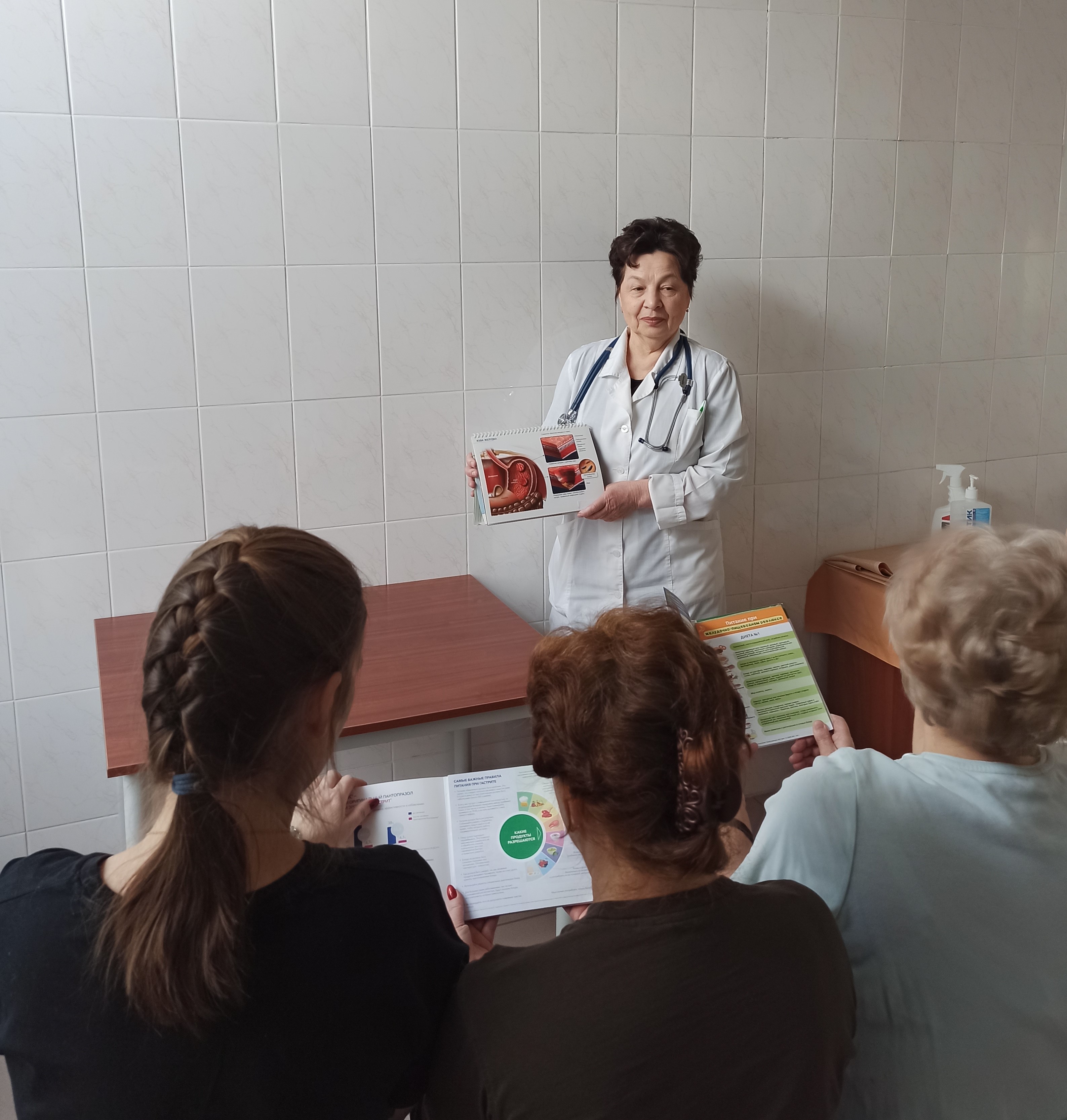
Head of the 2nd Clinical Department, PhD Irina Valentinovna Shutova held a conversation with the clinic's patients about the characteristics of H. pylori infection and the recommended dietary nutrition for the disease.
|
A talk on the topic "Helicobacter pylori infection: transmission routes, diseases caused, treatment and prevention. Dietary recommendations for diseases associated with Helicobacter pylori" for admitted patients was held on January 20, 2025, in the Institute's Infectious Diseases Clinic.
Doctor I.V. Shutova spoke about the widespread prevalence of Helicobacter pylori infection in the world. The source of infection is an infected person, the transmission route is most often household, oral-oral and fecal-oral. Infection with Helicobacter pylori infection usually occurs in early childhood within the family or in children's groups. All infected people develop inflammation of the gastric mucosa (gastritis), about 10% - gastric ulcer or duodenal ulcer, less often - stomach cancer and other diseases. Cure from infection helps improve the condition of the mucous membrane of the stomach and duodenum, heal ulcers, prevent their recurrence, the possibility of infecting loved ones, and halve the risk of stomach cancer.
During the conversation, Dr. I.V. Shutova emphasized the importance of following a diet and nutrition regimen when treating stomach diseases. Patients were given nutritional recommendations for diseases of the upper gastrointestinal tract.