


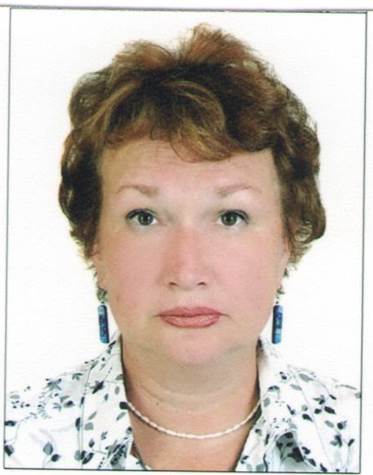
Chief physician – Companoin of the Order of Pirogov, Candidate of Medical Sciences (PhD. In Medicine)
Natalya V. Neumoina
The clinical department of the institute was organized in 1958.
The profile of the clinic is determined by the current epidemiological situation in the region and scientific research conducted by the Institute.Since the late 80s of the 20 th century and for few years clinic staff members have been involved in the clinical research of human recombinant alfa – interferon. This medicine was used for the treatment of patients with various forms of hepatitis B. Changes of interferon – system of the patients with hepatitis B were researched in this experiment.
The structure of the clinic of infectious diseases includes: administrative and economic part; department of consultations and admission of patients; two clinical departments, department of laboratory diagnostics, department of instrumental diagnostics and rehabilitation.
Currently, the clinic employs 13 doctors, 4 of them holdCandidate of Medical Sciences degree, and almostall doctors have the highest medical category. Clinic staff members are involved in carrying out research on the plan of the Institute, currently research is being conducted onthe topic "Study of the features of various forms of the H.pylori-associated gastroduodenal and pancreatobiliary diseases depending on the genotype of H. pylori, antibiotic resistance of the H. pylori strains and the bacterial overgrowth syndrome in the small intestine."
In clinical work, along with the standard diagnostic methodology, patients undergo an in-depth examination using original diagnostic technologies, which are developed by the clinic together with the scientific departments of the Institute.
So, together with the laboratory of the Volga district center for the prevention and control of AIDS, a unique specific diagnosis of H. pylori infection with the definition of macrolide resistance genes is being conducted, which guides the clinician in determining the tactics of infection eradication.In addition, bacteriological monitoring and correction of the composition of the microflora of the large intestine is being carried out in the process of eradication anti- H.pylori treatment, which involves the use of antibiotics that can adversely affect the normal intestinal microbiocenosis.
Phone: +7(831) 433-83-36 Natalya V. Neumoina
Address: 603950, Nizhny Novgorod, Barminskaya st., 8A/3.