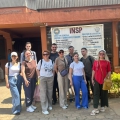


Students and postgraduates of the Nizhny Novgorod University underwent practical training at institute
 |
18 07.2025
Future specialists will be taught the basics of molecular genetic diagnostics of microorganisms pathogenic to humans.
|
In June 2025, students and postgraduates of the Institute of Biology and Biomedicine of the Lobachevsky State University of Nizhny Novgorod completed an internship at the Laboratory of Molecular Biology and Biotechnology of the I.N. Blokhina Nizhny Novgorod Research Institute of Epidemiology and Microbiology of Rospotrebnadzor.
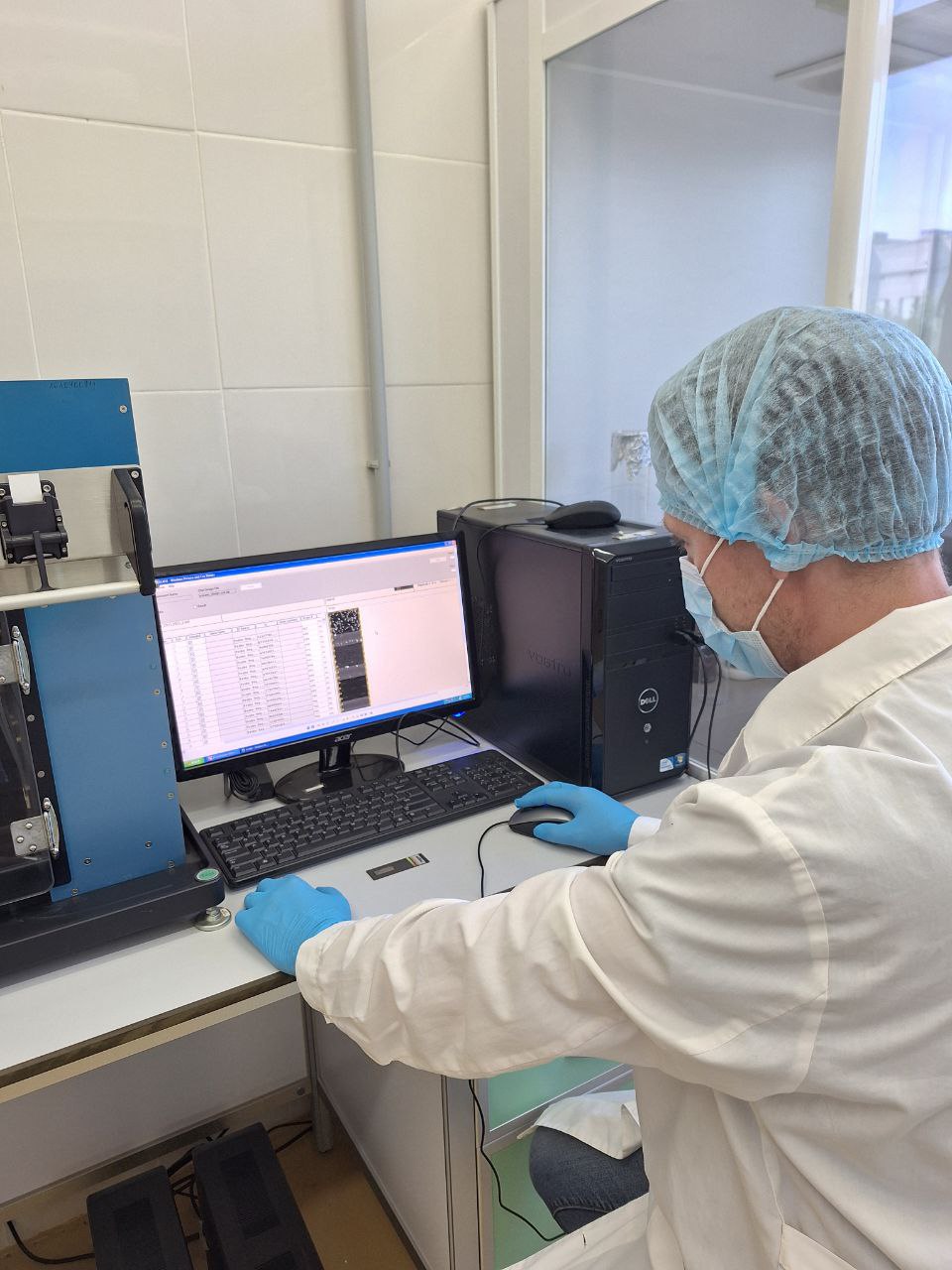
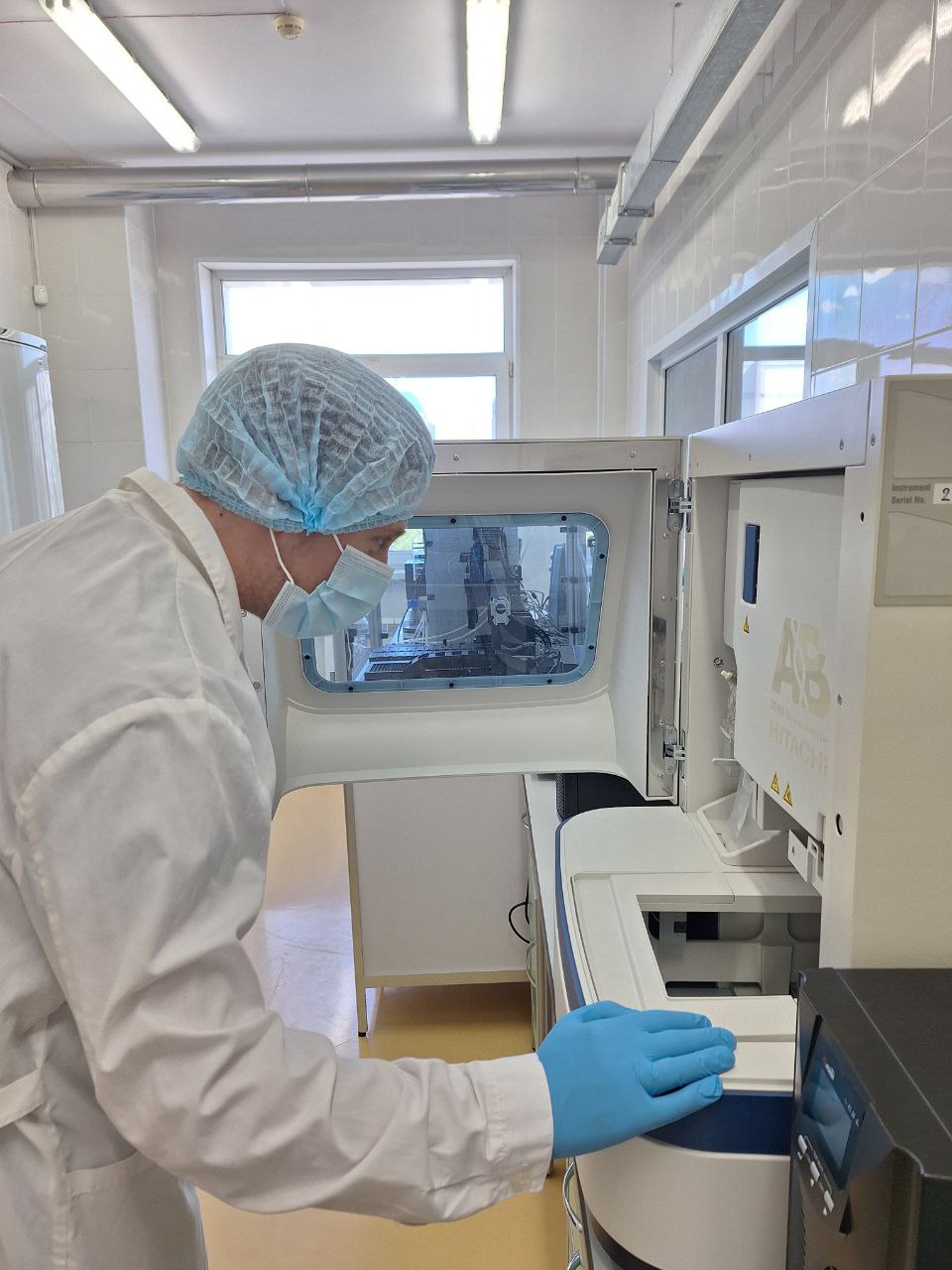
Under the guidance of the laboratory staff, future specialists mastered current methods of laboratory diagnostics of current pathogens of community-acquired pneumonia in humans: PCR and real-time PCR, Sanger sequencing, as well as pathogen indication using a DNA biochip. The work used both certified test systems and a diagnostic DNA biochip, a proprietary development of our institute's laboratory. During practical classes, future specialists also learned the basics of bioinformatics analysis, which is necessary for interpreting a large amount of data obtained using DNA biochips. The laboratory's new development, the computer program "MaRI - Microarray results interpretation" (reg. No. 2025666558), helped the young scientists in their work. It is a program designed to automate the procedure for processing the results of DNA biochip hybridization for indicating pathogens of community-acquired pneumonia in clinical samples.
Theoretical training became an important element of the classes. Students and postgraduates became familiar with the current state of the problem of community-acquired pneumonia and laboratory diagnostics of its pathogens.
|
 |