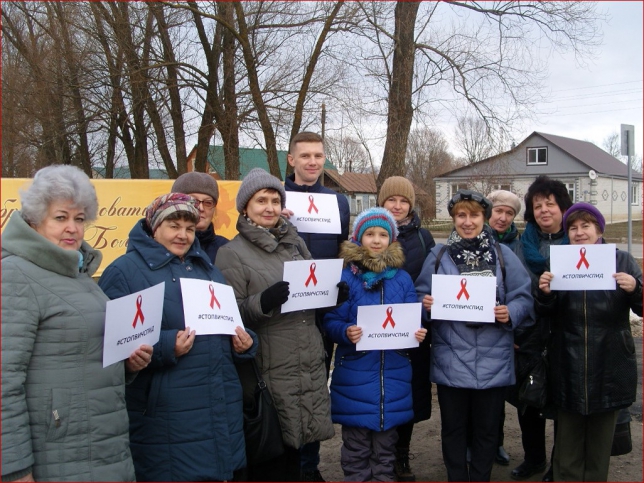



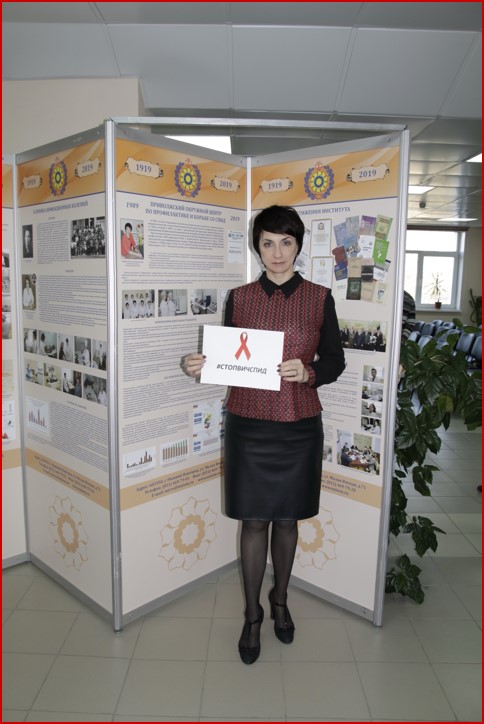
Employees of VDC for the prevention and control of AIDS took part in the action # STOPWICHSPID
Home » News » Employees of VDC for the prevention and control of AIDS took part in the action # STOPWICHSPID
Print version
 |
02 12.2019
During the action, a set of informational events was carried out aimed at preventing HIV infection among the population as a whole and its key groups.
|
The primary focus of primary HIV prevention is advocacy.
During the #STOPWICHSPID action, employees of the Volga Regional Center for AIDS Prevention and Control conducted training seminars on HIV prevention with school teachers and students of technical schools.
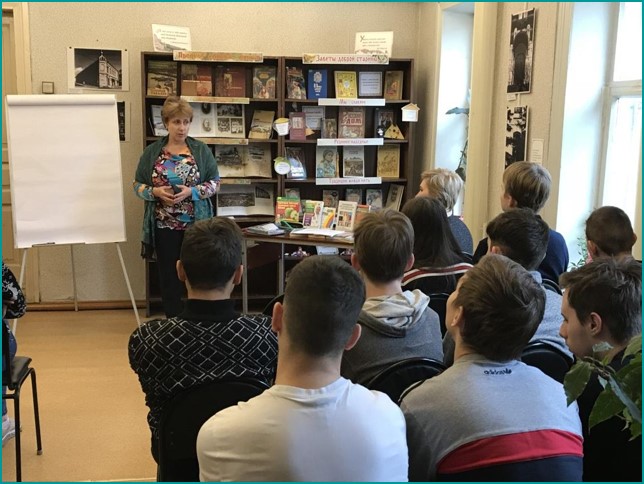
On November 26, the rally “Take an HIV test” was held at the institute’s base among the institute’s staff and teachers in the region’s schools. During the action, everyone was tested for HIV and learned their HIV status.
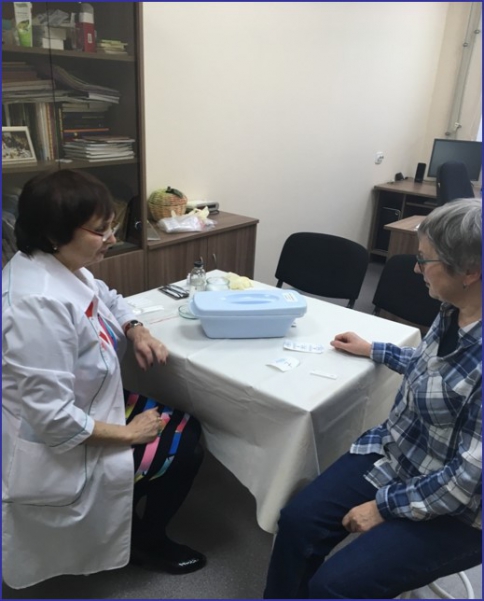
Center staff also took part in the development and implementation of technologies for social adaptation and rehabilitation and social support measures for people infected with HIV in key populations, as well as involving socially oriented non-profit organizations.
As part of the work of POC for the prevention and control of AIDS on an ongoing basis:
- conducted epidemiological, bio-behavioral, molecular-epidemiological studies;
- systems of estimated data on the spread of HIV infection and assessment of their socio-economic consequences are being formed;
- methodological approaches to statistical observation are being improved.